






Medical Data Annotation for AI-Ready Healthcare Datasets

Medical Data Annotation for AI-Ready Healthcare Datasets

Expert medical annotation by diverse clinical specialists

Explore
Medical Data Annotation
Services Overview

Expert Medical Data Annotation for Healthcare AI Projects

High-quality training data is essential for successful healthcare AI. medDARE provides medical data annotation services designed to help healthcare companies, AI teams, and research organizations create reliable datasets for model training, validation, and product development.

Our annotation teams include medical professionals with diverse backgrounds and levels of experience, from interns to seasoned specialists. With access to radiologists as well as dermatologists, ophthalmologists, cardiologists, and other medical experts, we can support projects that require both annotation capacity and domain-specific knowledge.

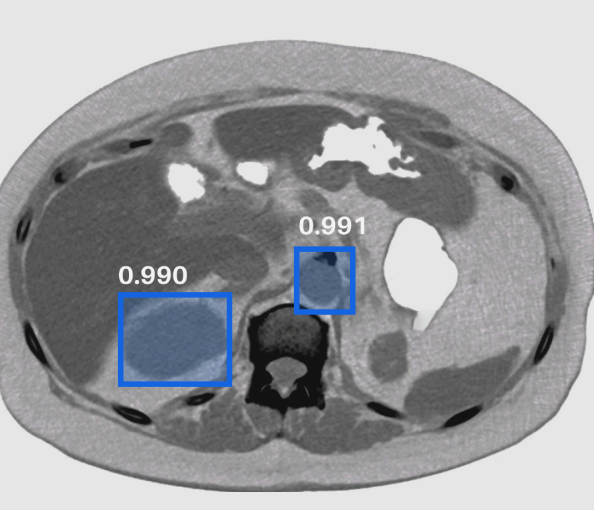
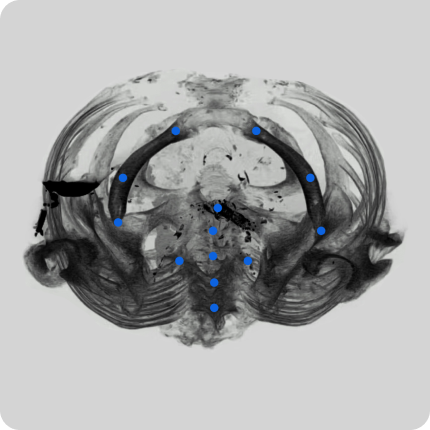
Bounding Boxes for Fast, Cost-Efficient Medical Data Labeling

Bounding boxes are one of the most common methods used in medical data annotation. They are ideal for projects that need efficient labeling of specific regions of interest, especially when speed and cost-efficiency are important.

This method is often used to highlight areas with particular findings or pathologies, helping AI teams train models to recognize patterns and detect relevant structures in medical images.

Common use cases

Bounding boxes can be especially useful in projects involving:

  • lung CT annotation
  • brain MRI workflows
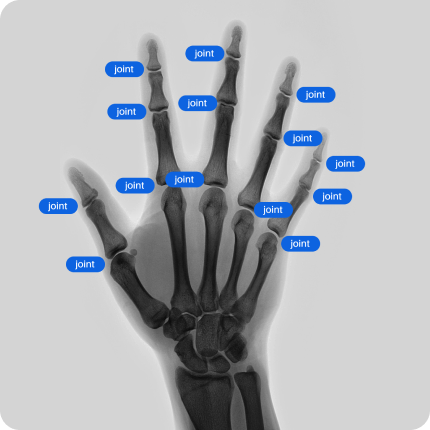
  • X-ray vertebrae labeling
  • first-pass pathology localization
  • training data for detection models

CT scans

Bounding Boxes for Fast, Cost-Efficient Medical Data Labeling

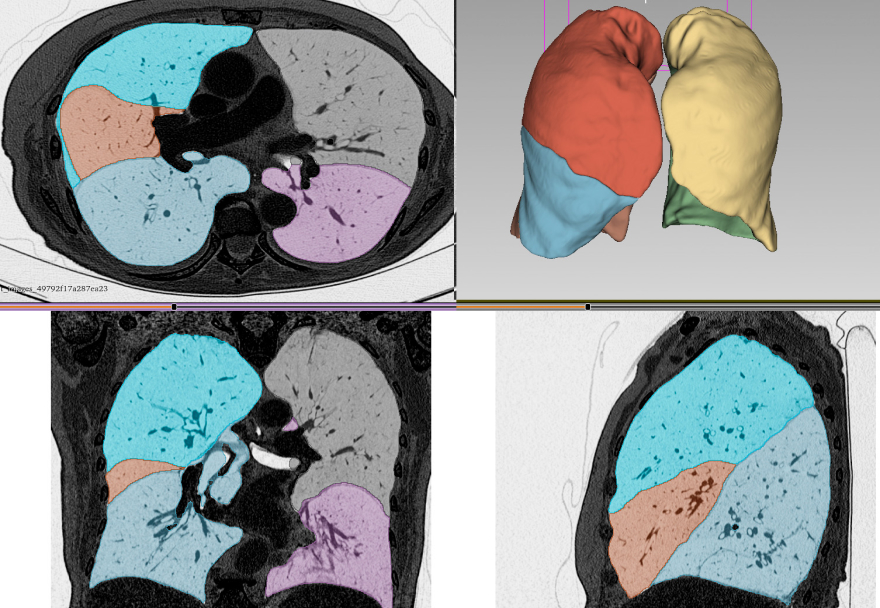
3D Segmentation for Advanced DICOM-Based AI Training Data

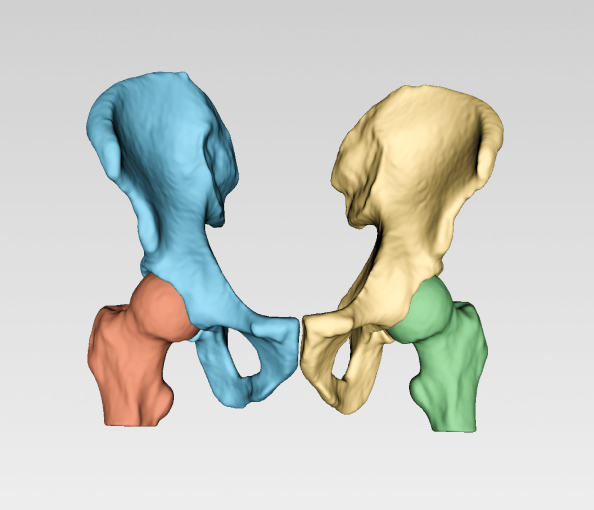
3D segmentation is one of the most advanced forms of medical image annotation. It involves labeling structures or findings across all three dimensions of a DICOM dataset, making it a highly detailed and clinically valuable annotation workflow.

Because this process requires annotation throughout the full volume of a scan, it is significantly more time-consuming and complex than other methods. But for projects that depend on volumetric understanding, 3D segmentation delivers the most advanced training data.

When 3D segmentation is the right choice

3D segmentation is best suited for:

  • detailed CT scan annotation
  • volumetric MRI workflows
  • organ segmentation projects
  • advanced pathology analysis
  • high-precision medical AI training data

CT scans

3D Segmentation for Advanced DICOM-Based AI Training Data

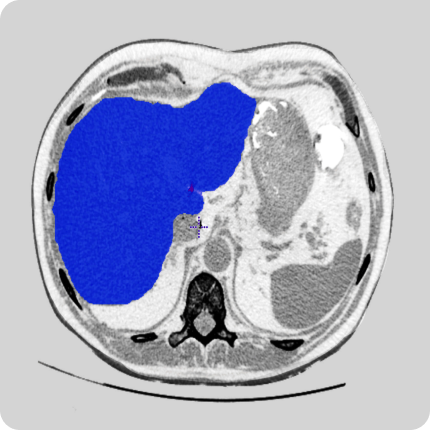
2D Segmentation for Precise Medical Image Annotation

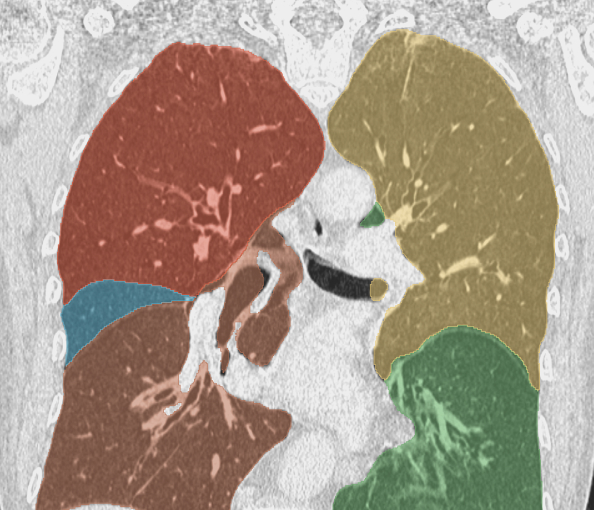
When a project requires more precision than bounding boxes can provide, 2D segmentation becomes a stronger annotation method. This approach is used to contour the exact shape of a structure or pathology within individual slices of a DICOM file.

2D segmentation is more detailed and time-intensive than basic data labeling, but it provides a much higher level of annotation accuracy. That makes it especially useful for healthcare AI projects where anatomical precision and clear structure boundaries matter.

Common use cases

2D segmentation is often used for:

  • brain MRI annotation
  • vascular system annotation
  • small pathology contouring
  • lesion boundary definition
  • slice-level DICOM annotation

CT scans

2D Segmentation for Precise Medical Image Annotation

FAQ About Medical Data Annotation

What is the difference between medical data curation and medical data annotation?

Medical data annotation focuses on labeling and structuring data for AI use, while medical data curation is a broader supporting process that can include organizing, reviewing, and preparing datasets before or after annotation.

What types of medical image annotation does medDARE provide?

medDARE supports bounding boxes, 2D segmentation, and 3D segmentation for medical image annotation workflows.

How do I choose between bounding boxes, 2D segmentation, and 3D segmentation for medical data labeling?

The right annotation method depends on your AI model’s requirements and the level of detail needed. Bounding boxes are best for fast, cost-effective labeling of regions of interest in detection-focused workflows. 2D segmentation is the preferred choice when precise contouring of anatomical structures or pathologies is required within individual image slices. 3D segmentation is ideal for DICOM-based datasets when models need a complete volumetric understanding of structures across all three dimensions.

Does medDARE support CT, MRI, and X-ray annotation?

Yes. medDARE supports medical image annotation workflows across CT, MRI, and X-ray projects.

Who performs the annotations at medDARE?

medDARE works with teams of medical professionals from different specialties and experience levels, including radiologists and other specialists depending on project needs.

Get a Quote for Your Medical Data Annotation Project

Get a quote